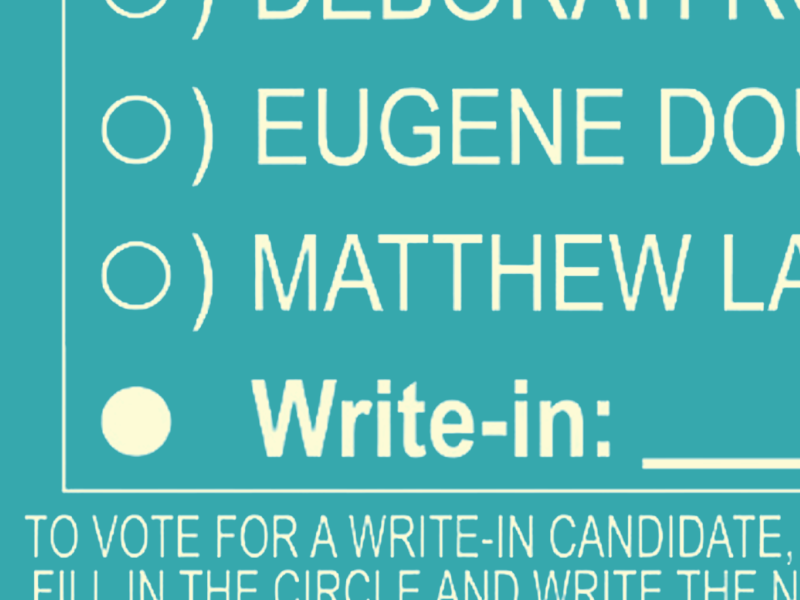
Brian McGinnis is running as a write-in candidate for North Carolina’s 2nd Congressional District. Your support is more important now than on election day. We need to spread the word on how write-in candidate’s work, what it means to be a write-in candidate and how to ensure your vote is counted.
The Qualification Process
In North Carolina, running as a write-in candidate for a congressional seat isn’t as simple as asking voters to write down a name. To have votes officially counted, an individual must become a legally qualified write-in candidate. This requires submitting a formal “Declaration of Intent” to the North Carolina State Board of Elections. Additionally, state law strictly prohibits “sore loser” candidacies; if an individual ran in a party primary and lost, they are legally barred from running as a write-in for that same office in the subsequent general election.
Signature Requirements and Deadlines
Write-in candidates must clear specific petition hurdles well before Election Day. For a U.S. House of Representatives seat—classified as a multi-county district contest—a candidate must collect valid signatures from at least 250 registered voters residing within that specific congressional district. For a U.S. Senate race, the statewide requirement is 500 signatures. These petitions must first be submitted to county boards of elections for signature verification. The final deadline to submit the fully verified petition to the state board is strictly set at noon, exactly 90 days before the general election.
Casting and Counting the Votes
Once a candidate successfully completes the petition process, they become officially qualified, and election officials will formally tally their write-in votes. However, if a voter writes in the name of an unqualified individual who failed to gather enough signatures, that vote is simply lumped into a generic “miscellaneous” category and will not count toward electing that person. Consequently, a successful congressional write-in campaign requires significant logistical planning months in advance, long before supporters ever head to the ballot box to spell the candidate’s name.